
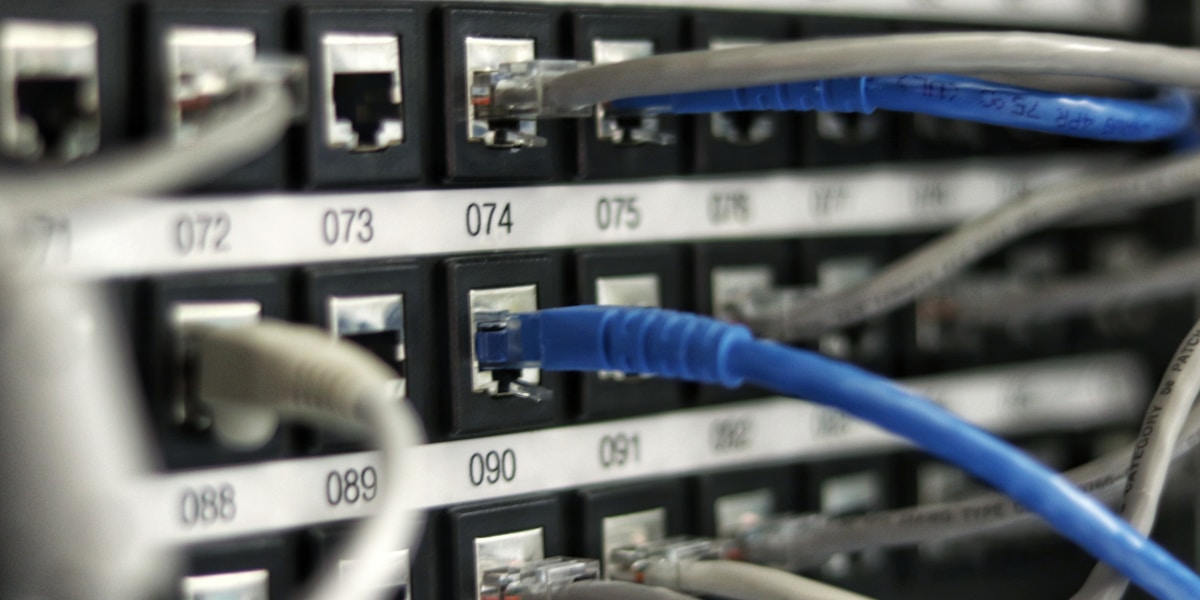
The Role of an IoT Gateway
An IoT gateway is the critical bridge between field-level sensors and the cloud. In any IoT deployment — whether it is a smart factory, a fleet of agricultural sensors, or a building management system — the gateway collects data from local devices, processes it, and transmits it securely to a cloud platform for storage, analytics, and visualization.
Without a well-designed gateway, your sensor data never reaches the cloud reliably. This article covers the key architectural decisions, protocol choices, and hardware considerations that go into designing a production-grade IoT gateway.
Gateway Architecture: The Three Layers
A typical IoT gateway has three functional layers:
- Southbound (sensor side): Connects to field devices via RS485/Modbus, I2C, SPI, analog inputs, digital inputs, LoRa, Zigbee, or BLE. The gateway must speak the protocol of every sensor type it connects to.
- Processing (edge layer): Performs data parsing, unit conversion, threshold checking, local alerting, and data buffering. For advanced deployments, this layer can run edge AI models for anomaly detection or predictive maintenance.
- Northbound (cloud side): Transmits processed data to the cloud via 4G/LTE, Ethernet, Wi-Fi, or satellite. MQTT is the dominant protocol for this layer due to its lightweight publish-subscribe model, persistent sessions, and quality-of-service levels.
Choosing the Right Cloud Protocol
MQTT is the industry standard for IoT cloud communication. It uses minimal bandwidth, supports offline buffering (QoS 1 and QoS 2), and works through firewalls since it operates over standard TCP port 8883 (TLS). AWS IoT Core, Azure IoT Hub, and Google Cloud IoT all support MQTT natively.
HTTP/REST is simpler but less efficient — each data point requires a full HTTP request/response cycle. Use HTTP only when MQTT is not available or when integration with existing REST APIs is required.
CoAP (Constrained Application Protocol) is a lightweight UDP-based protocol suitable for extremely resource-constrained devices. It is less common in gateway designs since gateways typically have sufficient resources for MQTT.
Security Considerations
Gateway security is non-negotiable. At minimum, every gateway should implement:
- TLS 1.2+ for all cloud connections with certificate-based mutual authentication
- Secure boot to prevent unauthorized firmware from running
- Encrypted local storage for credentials and configuration
- Firmware-over-the-air (FOTA) updates with signed images
- Firewall rules that restrict outbound connections to known cloud endpoints only
Hardware Selection
The hardware platform depends on your processing needs and connectivity requirements. For lightweight gateways, an ARM Cortex-A processor (e.g., NXP i.MX6ULL) running embedded Linux is sufficient. For gateways with edge AI, consider higher-performance SoCs like the NXP i.MX8M or Raspberry Pi CM4.
Connectivity modules should support your WAN requirements: a 4G/LTE modem with GPS (like the Quectel EC25 or SIMCom A7670) for remote deployments, or Ethernet/Wi-Fi for facilities with existing network infrastructure.
Our 4G+GPS+WiFi Device is designed specifically for this use case — combining cellular, satellite positioning, and Wi-Fi in a compact industrial gateway form factor.
Data Buffering and Reliability
Network connectivity is never 100% reliable, especially over cellular. A well-designed gateway buffers data locally (in flash memory or SD card) when the cloud connection drops, then transmits the backlog in order once connectivity resumes. This store-and-forward mechanism ensures no data is lost during outages.
Looking to build a custom IoT gateway? Our engineering team has deep experience in gateway hardware design, firmware development, and cloud integration. Contact us to start your project.